
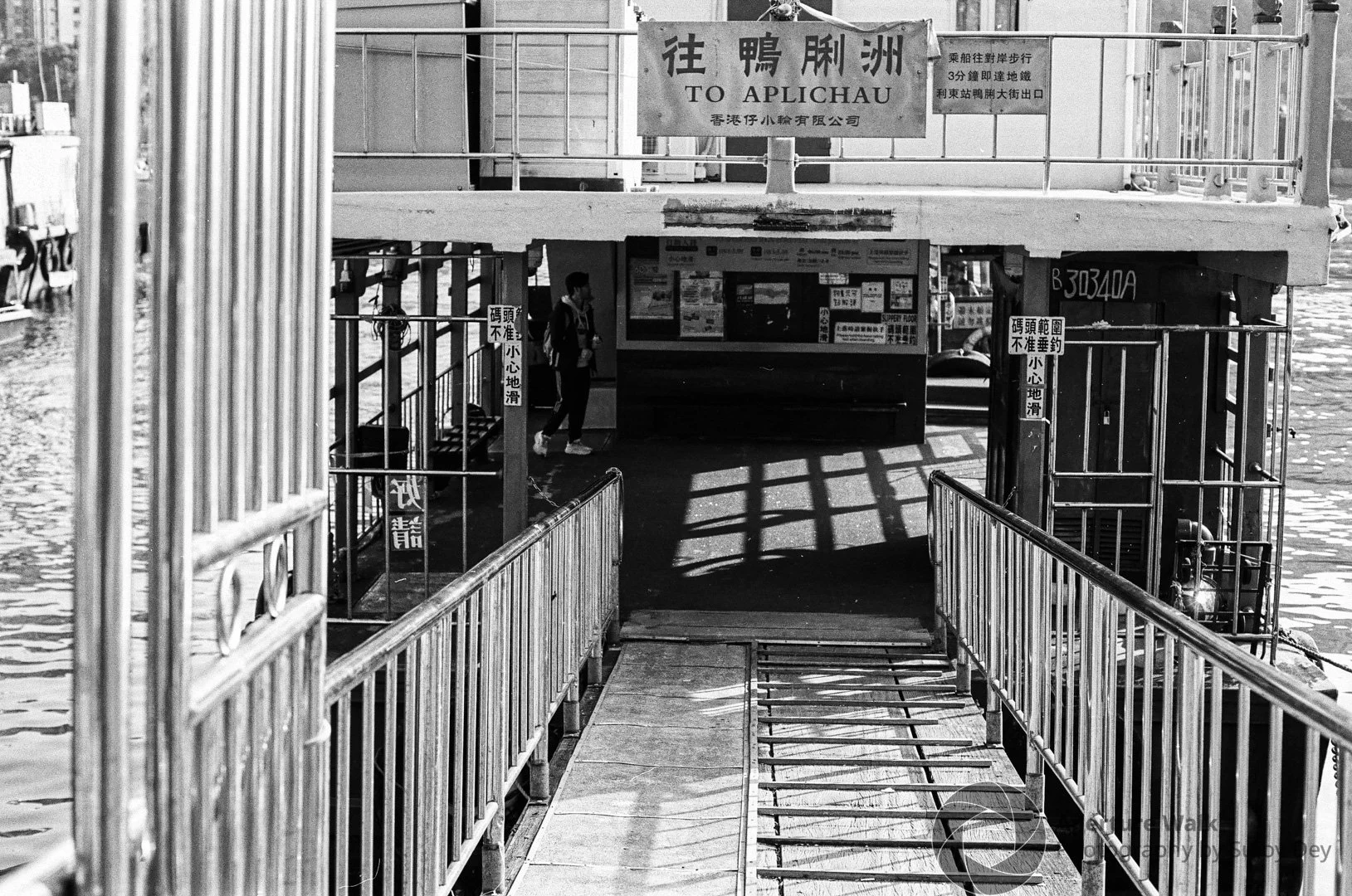
Ap Lei Chau
Ap Lei Chau is rich in cultural and historical significance, offering insights into the coastal beauty of Hong Kong. Here, the lens captures a jarring yet beautiful harmony: salt-crusted fishing trawlers docked in the shadow of gleaming 50-story residential towers, and incense-filled temples standing defiant against the sprawl of industrial outlet malls.
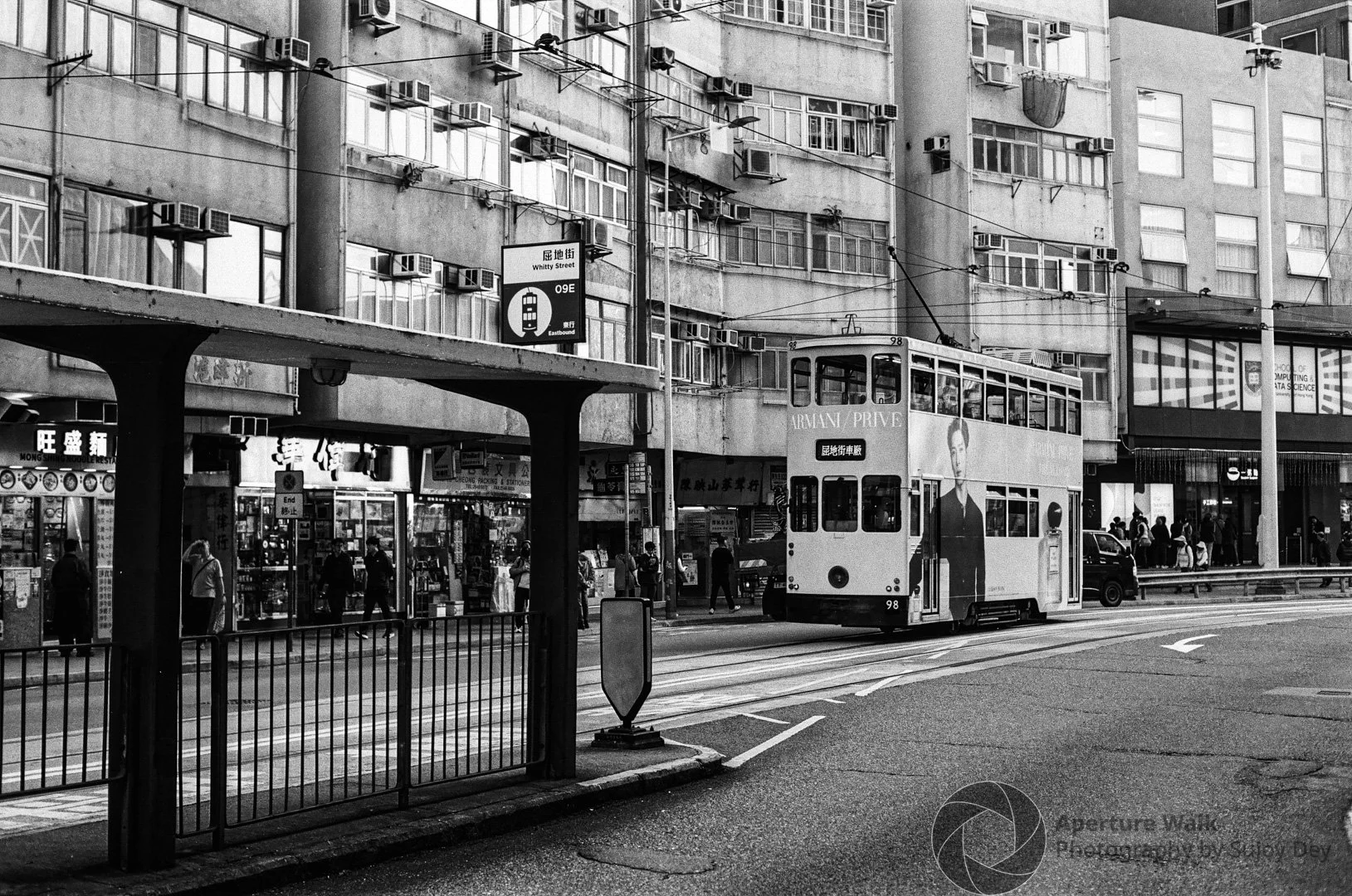
Des Voeux Road West
Des Voeux Road West, famously known as "Dried Seafood Street," is one of Hong Kong’s most visually rich cultural corridors. For photographers, it offers a raw, cinematic look into the city’s past, where traditional trade thrives in the shadow of rising skyscrapers. A stroll along Des Voeux Road West offers a multi-sensory journey through one of Hong Kong’s most traditional neighborhoods, where history and modern commerce collide.

Wan Chai Road
Start your day in Wan Chai by exploring Wan Chai Road and the adjacent street markets. The area is filled with local provision stores, fruit stalls and fish mongers. Hustle through the crowded streets. Go shoulder to shoulder with the locals as they shop and bargain. Feel the pulse of Hong Kong in Wan Chai.

Man Mo Temple
Man Mo Temple was built mainly for the worship of Man Cheong (God of Literature) and Mo Tai (God of Martial Arts). Located in Hollywood Road, Sheung Wan, Hong Kong. Man Mo Temple is a declared national monument and is said to have been built between 1847 and 1862 by wealthy Chinese merchants.The Temple has imperative historical and social values to the territory, representing the traditional social organization and religious practices of the Chinese community in old Hong Kong.

Pei Ho Street
Perfect place to experience Sham Shui Po like a local. The street is lined with stores and stalls that sell daily necessities.

Ki Lung Street
The quaint Ki Lung Street is a paradise for craft enthusiasts and DIY fashionistas. Exudes authentic urban charm, typical of the working-class Sham Shui Po district.

Nanking Street
A walking Street in Jordan which runs across all the lanes. Local fares, small businesses selling clothes, souvenirs and daily essentials.

Admiralty
District between Central and Wan Chai on Hong Kong Island. Largely commercial, government offices, luxury hotels.

Ap Liu Street
A hectic pedestrian only street market lined with shops and stalls selling all manner of electronics, tools, equipment.

Lai Chi Kok
Lai Chi Kok is known for its wholesale and export shops, which are mainly located in Hong Kong Industrial Centre that hold hundreds upon hundreds of shops.

Jardines Bazaar
One of the oldest shopping areas in Hong Kong dating back at least to 1845, located in Causeway Bay, Hong Kong

Des Voeux Road
Majort road on Hong Kong Island and scene to the famous dried seafood market that lines the road in the Western District.

Stone Nullah Lane
A street bustling with traders selling produce and household items.

Sham Shui Po
Suburb with a rich history hidden behind humble façades

Cheung Sha Wan
Located in New Kowloon, It is mainly residential with pockets of industrial area

Wan Chai Gap Road
Close to Wan Chai market, this road takes you up a nature trail

Raffles Hotel
This historic Singapore hotel has lush courtyard and plenty of walkways adorned with intricate details.

Tsim Sha Tsui
A popular must visit district of Kowloon, Hong Kong. Shopping, entertainment, food and culture awaits you in this vibrant area.