
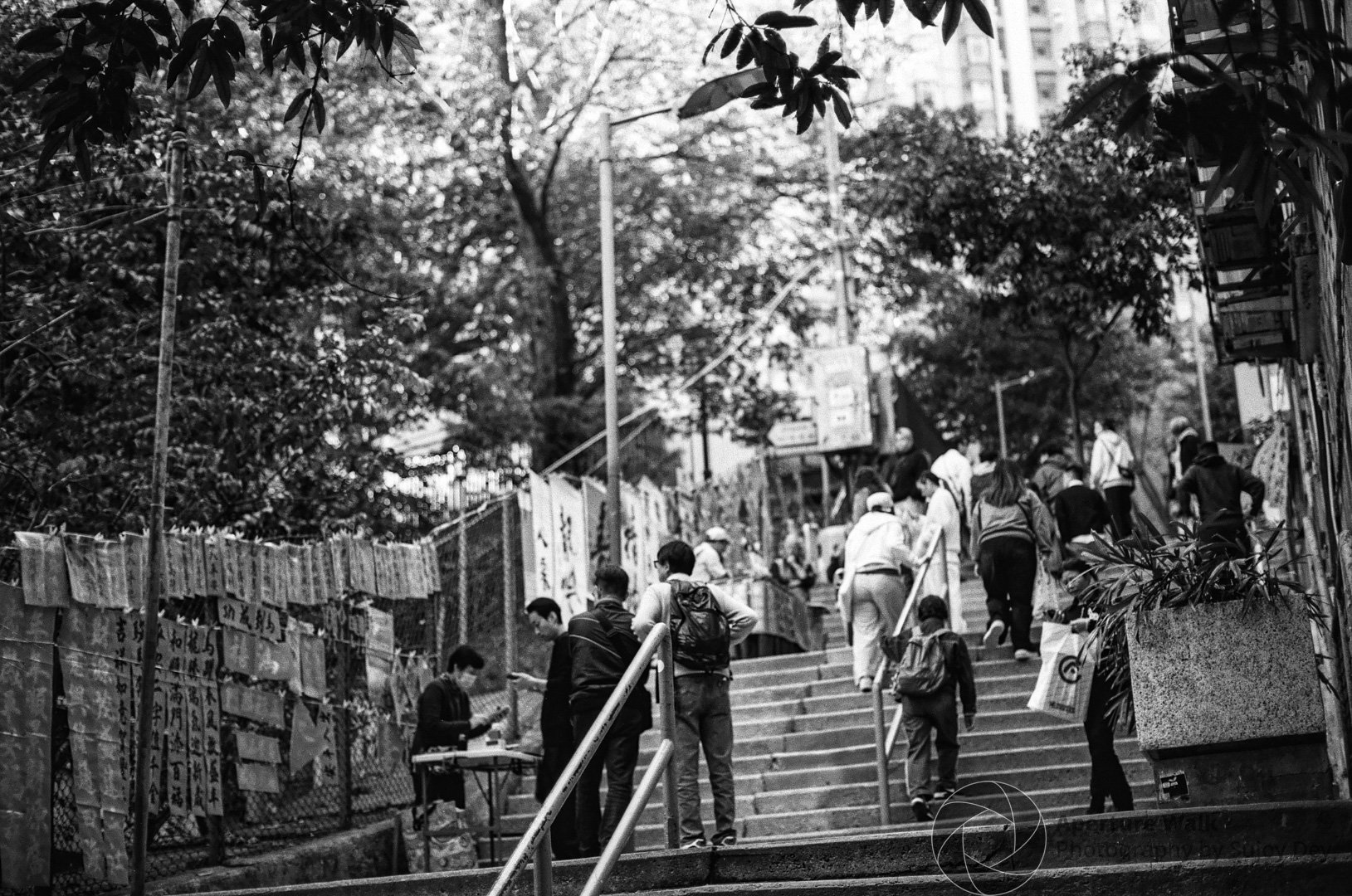
Ladder Street
Ladder Street is one of Hong Kong’s most iconic and historic thoroughfares. Built in the 1840s, it consists of a series of granite stone steps that climb steeply from Queen's Road Central all the way up to Caine Road. It is a preserved piece of "Old Hong Kong" that offers a vertical journey through the city's heritage.
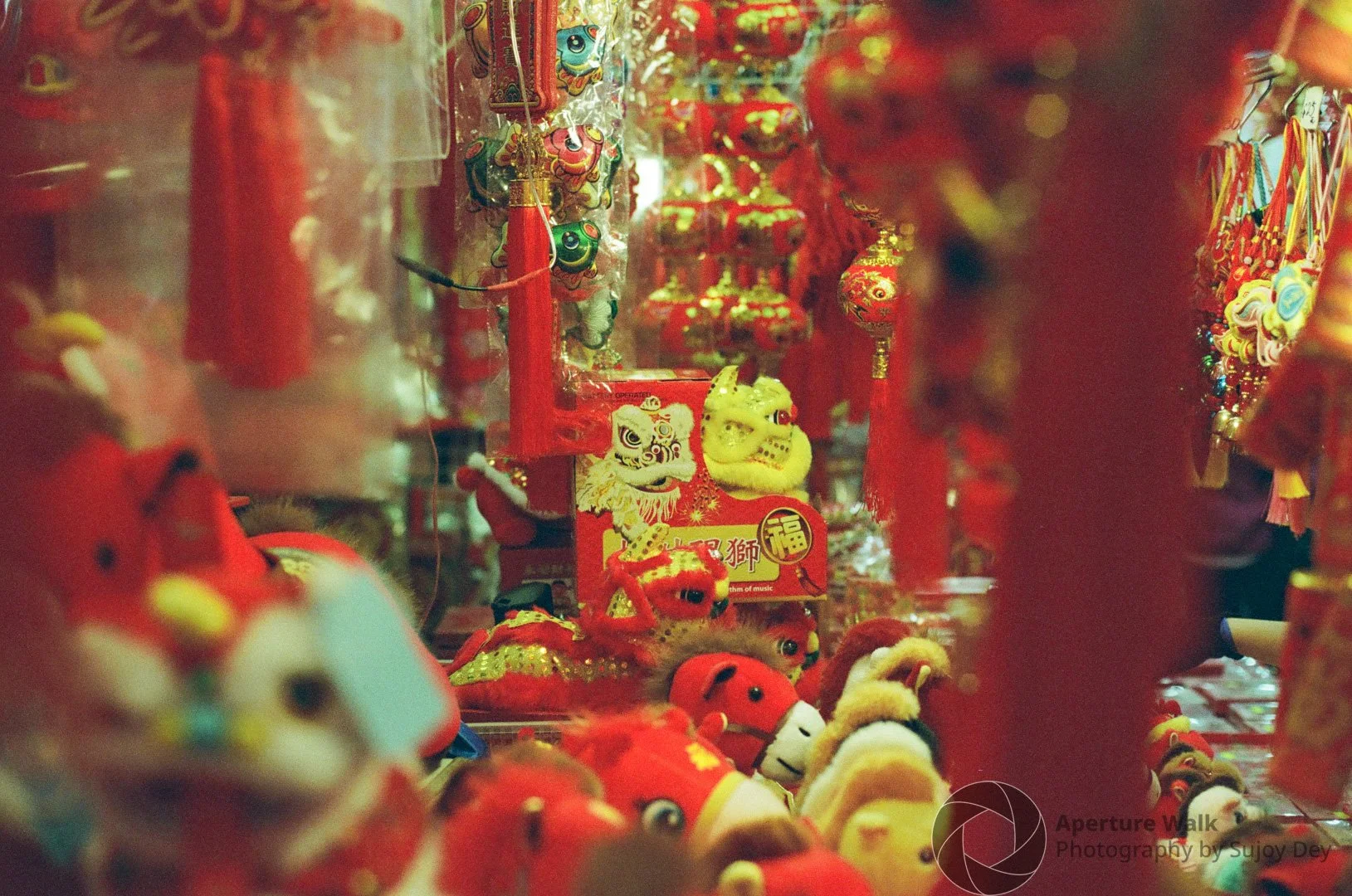
Cross Street
In Wan Chai, Cross Street forms the heart of one of the largest and most vibrant outdoor markets on Hong Kong Island. During Chinese New Year (CNY),this area becomes a frantic and festive epicenter where traditional "wet market" culture meets seasonal celebration.
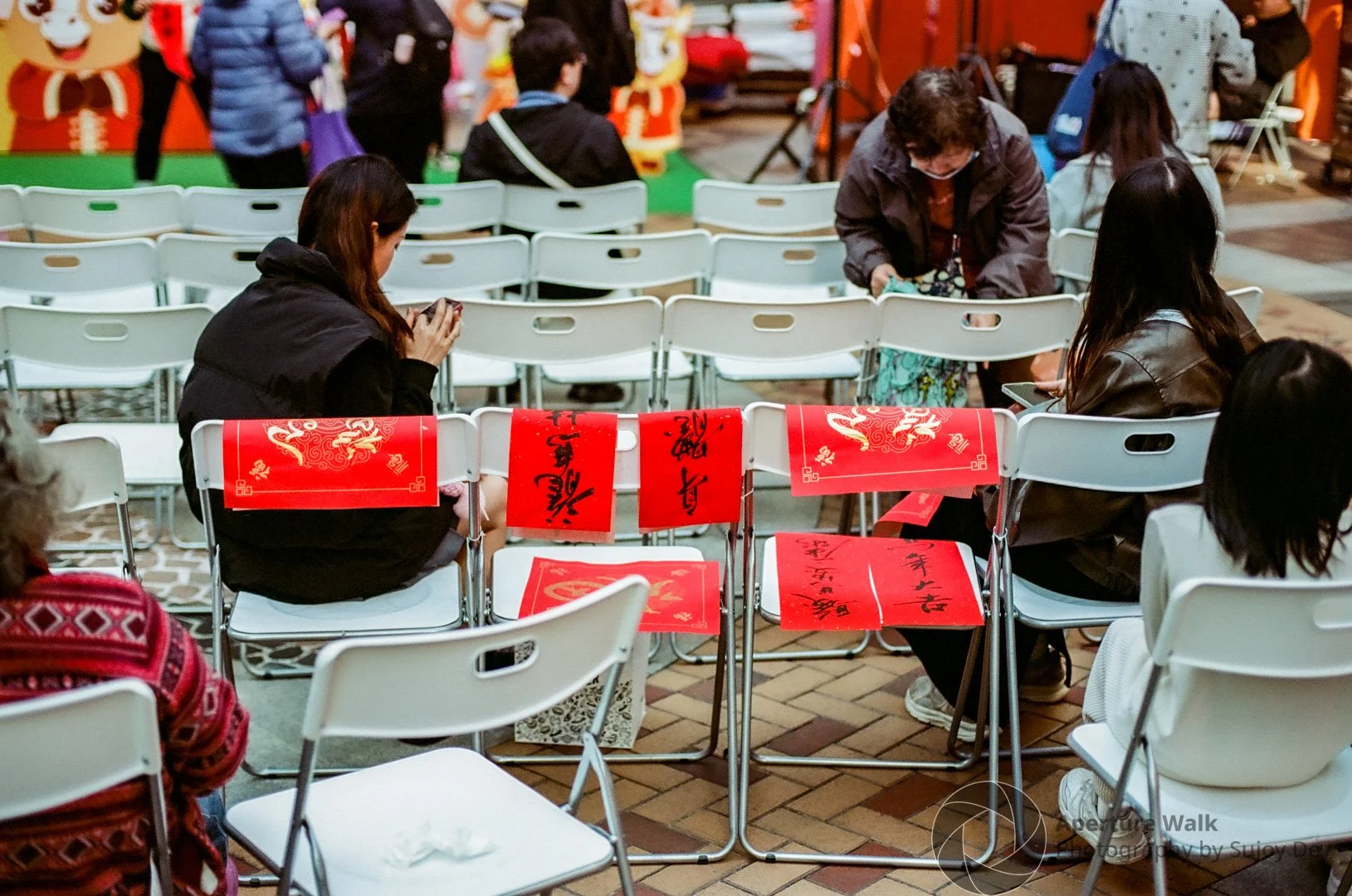
Sheung Wan CNY Market
About a week before the New Year, several calligraphers set up temporary stalls in Sheung Wan. You can witness them hand-writing Fai Chun (lucky red scrolls), which are hung to dry along walls and railings throughout the streets.
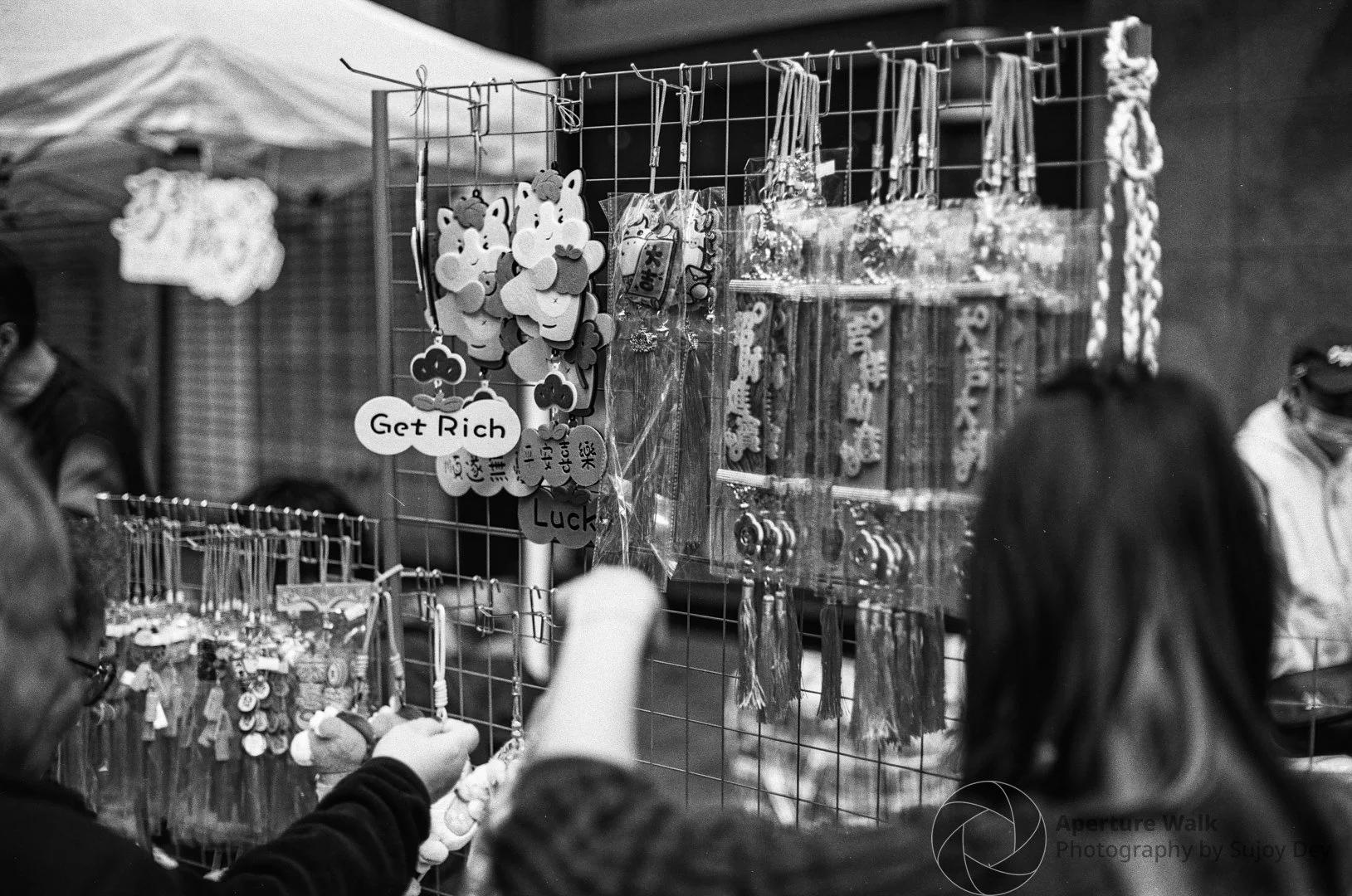
Sheung Wan Market
During Chinese New Year (CNY), the street markets of Sheung Wan transform from their usual "old-meets-new" charm into a high-energy hub of tradition, as locals flock to the area to prepare for the year's most important festival. About a week before the New Year, several calligraphers set up temporary stalls in Sheung Wan. You can witness them hand-writing Fai Chun (lucky red scrolls), which are hung to dry along walls and railings throughout the streets.
Flower Market Road
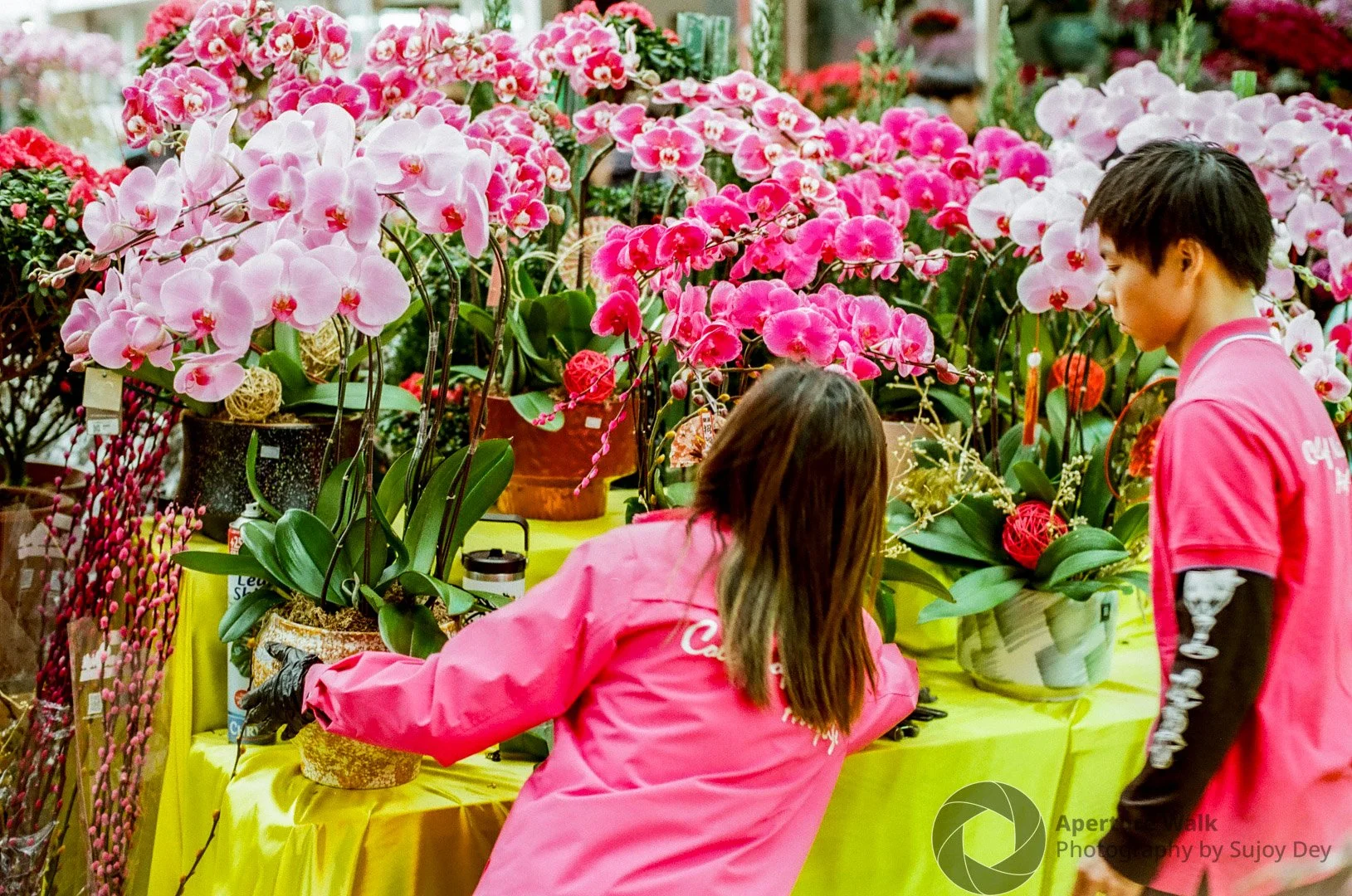
During the lead-up to Chinese New Year (Lunar New Year), Flower Market Road transforms into a "sensory explosion" and a critical cultural hub for locals.The permanent market in Mong Kok remains a primary destination for those seeking the highest quality traditional blooms.The area is often referred to as hang fa shi ("walking the flower market").
Tai O
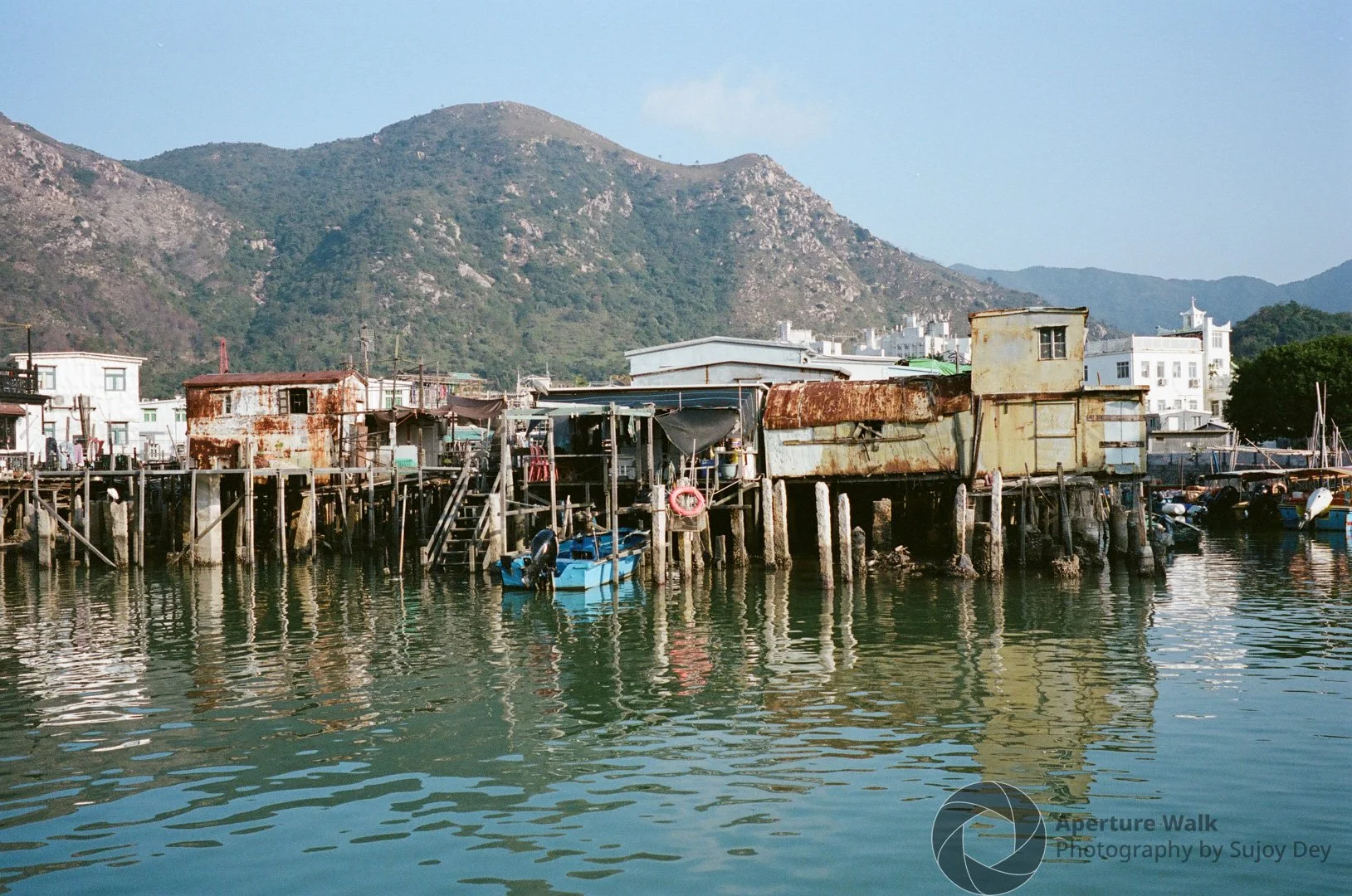
Tai O is one of the few remaining fishing villages in Hong Kong. It located in Lantau Island, and the most authentic example of Southern China’s old fishing life and culture.

Lok Ku Road
Located in the Sheung Wan district adjacent to Cat Street, aka Lascar Road and Hollywood Road. The street is filled with interesting shops ranging from preloved, antiquities, cafes and art galleries. Explore this vibrant are as there is much to uncover along the alleys and the extended part to Tai Ping Shan. Drop into Blue Lotus Gallery to see the latest exhibits.

Man Mo Temple Sheung Wan
Man Mo Temple was built mainly for the worship of Man Cheong (God of Literature) and Mo Tai (God of Martial Arts). Located in Hollywood Road, Sheung Wan, Hong Kong.

Man Mo Temple
Man Mo Temple was built mainly for the worship of Man Cheong (God of Literature) and Mo Tai (God of Martial Arts). Located in Hollywood Road, Sheung Wan, Hong Kong. Man Mo Temple is a declared national monument and is said to have been built between 1847 and 1862 by wealthy Chinese merchants.The Temple has imperative historical and social values to the territory, representing the traditional social organization and religious practices of the Chinese community in old Hong Kong.

Gough Street
Nestled smack bang in the middle of Central, SoHo and Sheung Wan. The street is dotted with cool eateries and stylish shops.

Tai Kwun
Hong Kong' Former Central Police Station is now a heritage site for arts, surrounded by modern architecture.

Fuk Wing Street
Mid-Autumn Festival, the street turns into a “Lantern Street” with colorful lanterns hanging at every corner.

Tai Kiu Market
Hand made in Hong Kong lanterns for Mid-Autumn Festival in Yuen Long